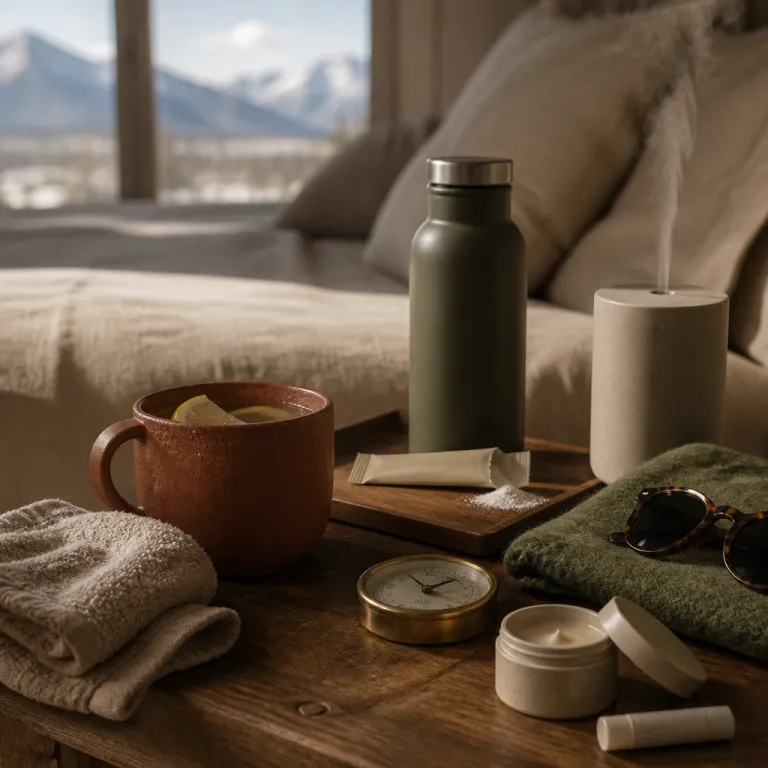
Understanding Denver altitude tips for visitors booking wellness focused stays
Denver altitude tips for visitors start with understanding what the Mile High City really means. Denver sits at an elevation of about 1,609 metres, or 5,280 feet above sea level, and that high elevation shapes how your body responds from the moment you roll your suitcase into the hotel lobby. When you plan spa, wellness, and fitness experiences around this Colorado altitude reality, you turn potential altitude illness into a manageable detail rather than a trip defining problem.
At this high altitude your body receives less oxygen with every breath, so even a short walk from your Denver hotel to a nearby park can feel surprisingly demanding. The thinner air at higher altitudes does not mean there is less oxygen in absolute terms, but the lower air pressure makes it harder for your body to absorb that oxygen efficiently, which is why symptoms such as mild headache or shortness of breath can appear on the first day. Recognising these early altitude sickness signs gives you time to adjust your schedule, slow your pace, and use hotel wellness facilities to help your body adjust in comfort.
Altitude sickness in Denver is usually mild for healthy visitors, yet the symptoms can still disrupt a carefully planned spa weekend or ski trip. Typical altitude sickness symptoms include headache, light headedness, fatigue, and sometimes nausea, and these high elevation issues often feel worse at night when you finally stop moving. When you choose a hotel that understands Denver altitude challenges and offers hydration stations, oxygen aware fitness programming, and staff trained to help guests avoid altitude complications, you protect both your health and your holiday budget.
How your body adjusts to higher elevations during a Denver hotel stay
Your body begins to adjust to higher altitude within hours, but it needs several days to feel noticeably more comfortable and several weeks for full red blood cell adaptation. The first twenty four hours in Denver are crucial, because this is when your body’s response to reduced oxygen and high elevation is most noticeable. Smart Denver altitude tips for visitors therefore focus on slowing down, using hotel spa facilities for gentle circulation, and allowing time to acclimatise before you attempt intense exercise or long walks around the high city.
Hydration is the single most effective way to help your body adjust to Colorado altitude while you enjoy your hotel amenities. At 5,280 feet the air is dry, you lose more water through breathing, and many visitors underestimate how quickly mild altitude illness can appear when they combine alcohol with hot tubs or saunas. Aim to drink water regularly throughout the day, refill your bottle at the hotel gym or spa, and pair every alcoholic drink in the bar with at least one full glass of water to avoid altitude related dehydration.
Most travellers notice that by the second or third day their concerns about altitude fade as breathing becomes easier and the body fine tunes how it uses oxygen. During these days you can gradually increase your activity, moving from a light treadmill walk in the fitness centre to a longer session in the hotel pool or a yoga class designed for higher altitudes. If you plan side trips from Denver to higher elevation destinations such as Colorado Springs at about 6,000 feet, Winter Park around 9,000 feet, or Estes Park near 7,500 feet, give your body time in the Mile High City first so that higher altitude excursions feel energising rather than exhausting.
Designing a spa and wellness itinerary around Denver’s high elevation
Thoughtful Denver altitude tips for visitors extend directly into how you design your spa and wellness itinerary. On your arrival day choose low intensity treatments that support circulation and hydration, such as gentle massages, oxygen infused facials, or aromatherapy sessions that encourage deep breathing at high altitude. These experiences allow your body time to settle into the new elevation while still feeling that your Colorado trip has begun in style.
Many Denver hotels now train their spa équipes to recognise early altitude sickness symptoms and to adapt treatments accordingly. If you mention that you feel light headed or short of breath, therapists can shorten heat based therapies, increase water breaks, and recommend post treatment rest in a relaxation lounge rather than sending you straight to a high intensity fitness class at higher elevations. One Denver therapist at a downtown wellness hotel described a guest who arrived from sea level with a packed schedule and a pounding headache; by swapping a hot stone massage for a shorter, cooler treatment and extra hydration, the guest felt well enough the next day to enjoy a gentle yoga class instead of cancelling the whole spa plan.
By the second or third day you can safely explore more active wellness options that take advantage of the high city climate. Consider sunrise yoga on an outdoor terrace, a guided run at a nearby park, or a circuit session in the gym that alternates cardio and strength while respecting the demands of high elevation exercise. When your hotel wellness team understands Colorado altitude realities, they will suggest gradual progressions that keep your body strong without tipping you into altitude illness or unnecessary fatigue.
Fitness planning from Denver to Colorado Springs, Winter Park, and Estes Park
Many travellers use Denver as a base before heading to Colorado Springs, Winter Park, or Estes Park, and each of these destinations sits at a higher altitude than the Mile High City. That means your Denver altitude strategy should include a clear progression, using hotel fitness facilities to test how your body responds before you commit to full days at higher altitudes. A short treadmill session or gentle lap swim on your first day offers valuable feedback about your oxygen tolerance at 5,280 feet.
Colorado Springs lies at a higher elevation than Denver, and iconic Pikes Peak rises far above both cities, so planning matters. If you intend to visit Pikes Peak during your trip, spend at least one or two days in Denver first, then another day in Colorado Springs, allowing your body time to adjust before you reach the summit where oxygen levels are significantly lower than at sea level. Hotels in both cities increasingly provide printed Denver altitude tips for visitors, echoing guidance from Visit Denver and the Centers for Disease Control and Prevention, reminding guests to drink water, recognise altitude sickness symptoms, and avoid altitude overexertion on early days.
Resort towns such as Winter Park and Estes Park sit at higher elevations again, which can turn even easy hikes into demanding workouts. Before you leave Denver, use the hotel gym to simulate uphill walking, monitor your heart rate, and practise breathing techniques that help at higher altitude when oxygen feels scarce. When you finally step onto a trail above the tree line, your preparation in the high city will reduce the risk of altitude illness and allow you to enjoy every view.
Hydration, nutrition, and sleep strategies to avoid altitude issues
Every credible list of Denver altitude tips for visitors begins with hydration, and hotel guests have unique advantages here. You usually have easy access to filtered water in the lobby, the fitness centre, and your room, so make a habit of sipping regularly throughout the day rather than waiting until you feel thirsty. This steady intake of water supports circulation, reduces the likelihood of altitude sickness, and keeps your skin comfortable in Denver’s dry climate.
Nutrition also plays a quiet but powerful role in how your body handles high altitude and high elevation sleep. Lighter meals with a balance of complex carbohydrates, lean protein, and potassium rich foods such as bananas or leafy greens place less strain on digestion, which leaves more oxygen available for muscles and the brain at higher altitudes. Many hotel restaurants in Denver and Colorado Springs now highlight altitude friendly dishes on their menus, giving you practical ways to avoid altitude discomfort without sacrificing flavour or presentation.
Quality sleep is another pillar of altitude illness prevention, especially during the first two days. Ask for a quiet room away from lifts, keep the room slightly cooler to mimic night temperatures at higher elevations, and avoid heavy alcohol intake that can worsen symptoms during the night. If you wake with a headache or dry mouth, increase your water intake at breakfast, schedule a gentle spa treatment rather than a hard workout, and remember that giving your body time to adjust is an investment in the rest of your trip.
Selecting Denver hotels with altitude smart spa and fitness offerings
Choosing the right hotel can transform Denver altitude tips for visitors from theory into daily practice. When you compare properties, look for wellness programmes that explicitly reference high altitude, high elevation exercise, and hydration support, because these details signal that management understands the realities of hosting guests at 5,280 feet. A hotel that stocks rooms with large water carafes, offers complimentary electrolyte drinks in the gym, and trains staff to recognise altitude sickness will quietly protect your health throughout your stay.
Altitude aware hotels often collaborate with local health services and tourist information centres to refine their guidance. Some now recommend altitude sickness prevention apps at check in, provide printed cards explaining that “Denver is 5,280 feet above sea level” and that “Hydrate, limit alcohol, eat potassium-rich foods, and pace physical activity” are core strategies, and suggest gentle first day itineraries that combine spa time with short walks in a nearby park. When a property such as a wellness focused downtown Denver hotel or a spa resort in Colorado Springs takes this educational role seriously, you gain both reassurance and practical tools to avoid altitude problems.
For guests who plan to explore elegant things to do in Denver around your hotel base, it is worth choosing accommodation with flexible spa hours and a well equipped fitness centre. This allows you to schedule a steam, massage, or light workout at the exact time your body feels ready, whether that is early morning after a solid night’s sleep or late afternoon after a day of meetings in the high city. As you evaluate options across Denver, Colorado Springs, Winter Park, and Estes Park, prioritise hotels that treat Colorado altitude as a design principle rather than an afterthought, because that mindset will support every aspect of your wellness focused trip.
Key figures every Denver hotel guest should know about altitude
- Denver’s official elevation is 5,280 feet, which equals approximately 1,609 metres, and this precise height is why the city carries the nickname Mile High City.
- At this high altitude the air pressure is roughly 17 percent lower than at sea level, which contributes to thinner air, stronger ultraviolet exposure, and a greater need for sunscreen compared with many sea level destinations.
- Most healthy visitors begin to adjust to higher altitude within 24 hours, but it often takes several days before exercise at high elevation feels comfortable and several weeks before red blood cell levels fully adapt, according to organisations such as the Centers for Disease Control and Prevention and the American College of Sports Medicine.
- Side trips from Denver to Colorado Springs, Winter Park, or Estes Park can add hundreds to more than a thousand extra feet of elevation, so planning one or two acclimatisation days in the high city significantly reduces the risk of altitude illness.
FAQ about Denver altitude, wellness, and hotel stays
What is the elevation of Denver and why does it matter for hotel guests ?
Denver sits at 5,280 feet above sea level, and this high elevation means thinner air, lower oxygen pressure, and drier conditions that can affect sleep, exercise, and even how much water you need to drink in your hotel each day. Understanding this Colorado altitude context helps you pace activities, choose altitude smart spa treatments, and avoid altitude related fatigue during your stay. For many travellers, simply planning a gentle first day in the Mile High City is enough to keep altitude illness at bay, a point echoed in guidance from Visit Denver and the Centers for Disease Control and Prevention.
How can I prevent altitude sickness while staying in Denver hotels ?
The most effective strategies are to drink plenty of water, limit alcohol during the first days, eat potassium rich foods, and keep physical activity light until your body adjusts to higher altitudes. Many hotels now provide written Denver altitude tips for visitors, encourage guests to use hydration stations, and design fitness programmes that respect the demands of high altitude exercise. If you notice symptoms such as headache, nausea, or unusual fatigue, slow down, rest in your room or spa lounge, and seek medical advice if symptoms worsen, following recommendations from sources such as the CDC and the American College of Sports Medicine.
Why is sun protection especially important at Denver’s high elevation ?
At higher elevations there is less atmosphere to filter ultraviolet rays, so your skin receives more intense sun exposure than it would at sea level even on cool or cloudy days. This is why guidance for visitors emphasises sunscreen, sunglasses, and lip balm as essential tools alongside water bottles and layered clothing. When you combine hotel pool time, rooftop terraces, and day trips to Colorado Springs or Winter Park, consistent sun protection becomes a key part of your overall altitude wellness strategy.
How long does it take the body to adjust before visiting Pikes Peak or Estes Park ?
Most healthy travellers benefit from spending at least one or two days in Denver before heading to higher altitude destinations such as Pikes Peak, Winter Park, or Estes Park. This time to adapt allows your system to increase ventilation and gradually improve oxygen use, which reduces the risk of altitude sickness when you climb to higher elevations. If your schedule allows, adding an overnight stop in Colorado Springs between the high city and Pikes Peak offers an extra layer of protection.
Should I change my fitness routine when staying in the mile high city ?
Yes, it is wise to modify your usual routine during the first days at Denver altitude, even if you are very fit at sea level. Start with shorter, lower intensity sessions in the hotel gym, pay close attention to breathing and heart rate, and prioritise recovery through spa treatments, stretching, and sleep. As your body adjusts to the high altitude environment, you can gradually return to your normal training volume while still respecting the unique demands of the high city.
Trusted references for further altitude and wellness guidance
- Visit Denver – official visitor information on high altitude health and safety in the Denver region.
- Centers for Disease Control and Prevention (CDC) – medical guidance on altitude illness, symptoms, and prevention strategies for travellers.
- American College of Sports Medicine – evidence based recommendations on exercising safely at higher elevations and in low oxygen environments.