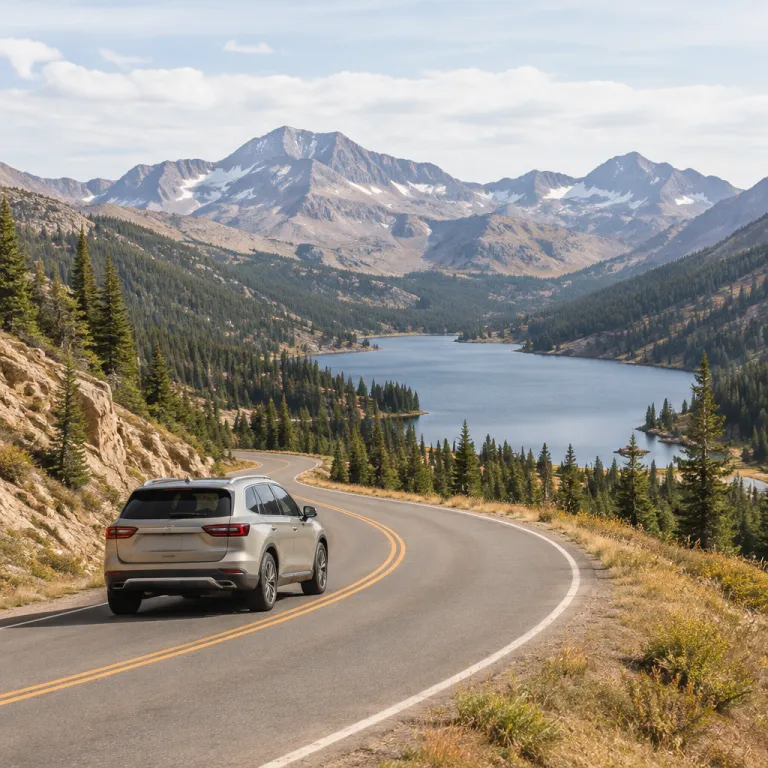
Why alpine lake Colorado trips pair so well with a refined Denver stay
Choosing Denver as your base for an alpine lake Colorado escape gives you urban comfort before and after demanding days in the high country. From a well located hotel in downtown or Cherry Creek, you can reach multiple alpine lakes within a two hour drive, then return to polished service, quiet rooms, and reliable dining late in the evening. This balance matters when you plan long lake hiking days with significant elevation gain, because quality sleep and easy logistics often turn a good mountain trip into your best travel memory.
Travelers focused on one signature alpine lake often underestimate how many lakes lie within reach of Denver, from the San Juan Mountains in the southwest to Chaffee County near Buena Vista in the central Rockies. Using Denver as your hub lets you compare different lake hiking options by elevation, distance in miles, and season, then choose each day’s hike or fishing outing according to weather and how your legs feel. A central hotel base also simplifies gear storage for fly fishing rods, lake fishing tackle, and daypacks, which is far easier than constantly checking in and out of small mountain properties.
For guests who value both culture and wilderness, Denver’s museums, restaurants, and parks complement the quiet of any alpine lake. You might spend one day at a city park or along the South Platte River, then drive the next morning toward a blue lake above treeline where the air is thin and the lake sits beneath a rugged mountain ridge. One recent visitor described the contrast as “trading the clink of glasses in a downtown lobby bar for the sound of wind in the pines before breakfast.” This rhythm suits couples and families who want serious hiking and trout fishing without sacrificing refined evenings, spa access, or a calm lobby bar when they return from the lakes.
Key alpine lake Colorado bases near Denver for serious hikers
When you book a Denver hotel with mountain access in mind, think in terms of corridors leading to specific alpine lakes. West of the city, the Interstate 70 corridor brings you toward high country passes and trailheads that reach blue lake basins within a few hours, while south and southwest routes connect you to Chaffee County and Buena Vista for the reservoir commonly referred to as Alpine Lake. Public topographic mapping and Colorado water resource data identify this reservoir as a man made impoundment of the North Fork of Chalk Creek, and those sources confirm that it functions as a compact high elevation storage lake rather than a natural glacial basin.
Alpine Lake in Chaffee County sits at roughly 2 850 metres of elevation, which is about 9 350 feet above sea level according to USGS style contour data, so guests should plan a gentle first day to acclimatise before tackling steeper lake hiking routes. State and federal mapping indicate a modest surface area on the order of a few dozen acres, with a relatively short shoreline that lends itself to relaxed walks, photography, and casual fishing rather than a long round trip hike, and the lake sits near the historic communities of Alpine and Saint Elmo. Because this alpine lake Colorado destination has limited facilities, your Denver hotel becomes your reliable base for water, food, and a hot shower after time at the lake.
Many visitors pair Alpine Lake with other lakes in the region, using a detailed hiking guide or trail guide to compare elevation gain, distance in miles, and driving time from Denver. If you are planning a refined road trip that links Denver with Telluride and the San Juan Mountains, consult a specialised resource on the Denver to Telluride drive for a refined mountain escape to understand how lake locations align with your overnight stops. To visualise the broader region, many travelers sketch a simple map that marks Denver, Buena Vista, Rocky Mountain National Park, and the San Juan corridor, then note approximate drive times between each cluster of lakes. This approach lets you enjoy both the comfort of a Denver hotel and the drama of remote alpine lakes, without rushing between each lake and your chosen mountain town.
How Denver hotels support high elevation lake hiking and fishing days
High elevation lake hiking around Denver demands more planning than a casual city park stroll, and your hotel choice can either simplify or complicate that effort. Look for properties that offer early breakfast service, secure storage for hiking and fly fishing gear, and staff who understand what a 900 metre elevation gain feels like at more than 3 000 metres above sea level. When you return from a long hike to an alpine lake Colorado trail, you will appreciate a quiet room, strong shower pressure, and perhaps a spa or pool to ease tired legs.
Guests who plan to visit multiple alpine lakes, such as Blue Lake near Brainard Lake Recreation Area or the reservoir of Alpine Lake in Chaffee County, benefit from hotels with flexible check in and check out policies. You may leave before dawn to reach a lake location at first light, especially during peak summer season when afternoon storms often build quickly over any exposed mountain ridge. A hotel that understands these patterns will help you arrange packed breakfasts, late dinners, or even laundry service between lake hiking days so your gear is dry before the next hike.
Travelers seeking inclusive, design forward stays close to Denver’s cultural core can review this curated guide to elegant LGBT friendly places in Denver for a refined downtown stay. From such a base, you can drive to Rocky Mountain National Park for a classic alpine lake, then return to walkable dining and nightlife without worrying about mountain town closures. This combination of city sophistication and easy access to lakes, trails, and fishing spots is one of the strongest arguments for anchoring your alpine lake Colorado itinerary in Denver.
Rocky Mountain National Park and other alpine lakes within a day of Denver
Rocky Mountain National Park remains the most famous alpine lake Colorado destination within a comfortable day trip of Denver. From a central hotel, you can reach the park in around 90 minutes by car, then choose from lakeside strolls with minimal elevation gain or demanding hikes that climb several hundred metres to remote alpine basins. Classic routes lead to lakes framed by steep mountain walls, where the water often appears deep blue or green depending on light and season.
Inside the national park, well maintained trails and clear signage make it easier to manage distance in miles and total elevation gain, which is crucial when you are adjusting to thinner air. Many visitors start with a shorter round trip hike to a lower elevation lake, then progress to higher alpine lakes on subsequent days as their bodies adapt to altitudes above 2 700 metres. Your Denver hotel can help you monitor weather forecasts for the park, arrange packed lunches, and advise on the best departure times to avoid traffic at the park entrances.
Outside the park, numerous lakes in the Front Range and Indian Peaks Wilderness offer quieter alternatives, often with excellent trout fishing. Some of these lakes sit in basins where brown trout and brook trout feed actively at dawn and dusk, making them ideal for fly fishing enthusiasts who are comfortable hiking a few miles with waders and rods. If you plan to combine these outings with a side trip toward Vail or other resorts, consult a dedicated guide on how far Vail is from Denver for a mountain escape so you can align hotel bookings with your preferred lake hiking schedule.
Alpine lake Colorado routes in the San Juan Mountains and beyond
While Denver sits far from the San Juan Mountains, many travelers still use the city as their arrival and departure point for multi day alpine lake itineraries in the southwest of Colorado. From here, you can rent a car, spend a night in Denver to adjust to the elevation, then drive toward the San Juan region where some of the state’s most photogenic lakes await. These include Ice Lake, Island Lake, Blue Lake, and Columbine Lake, each known for intense blue water, steep elevation gain, and rugged mountain scenery.
The Ice Lake and Island Lake route near Silverton is a demanding hike that gains more than 700 metres over several miles, so it suits experienced hikers who are already comfortable at altitude. Many visitors tackle Ice Lake first, then continue to Island Lake for a longer round trip that links two alpine lakes in one day, with the trail guide often recommending an early start to avoid afternoon storms. Because the lake sits in a high basin above treeline, there is little shelter from weather, which makes a comfortable Denver hotel at the start and end of your trip even more valuable.
Columbine Lake and Blue Lake in the San Juan Mountains offer similar rewards, with turquoise water, wildflower meadows in peak season, and the chance to see trout cruising the shallows. On clear days, hikers often describe the lakes as “bowls of melted sapphire” set against grey rock and lingering snowfields. These routes involve sustained elevation gain, rocky footing, and distances that can feel longer than the stated miles because of thin air and steep grades. For guests who prefer to keep daily drives shorter, combining a Denver stay with a separate base in a San Juan town works well, allowing you to enjoy both the city’s amenities and the remoteness of these alpine lakes.
Planning your Denver hotel stay around elevation, fishing, and lake seasons
Thoughtful planning around elevation, fishing regulations, and seasonal access will help you choose the right Denver hotel and alpine lake Colorado objectives. Early in the hiking season, snow can linger above 3 000 metres, limiting access to some alpine lakes while leaving lower elevation lakes and reservoirs, such as Alpine Lake in Chaffee County, more practical. During this period, you might focus on lake hiking with modest elevation gain, gentle trails around a blue lake, and relaxed fishing days rather than ambitious summit pushes.
As summer progresses, higher lakes in the high country open up, and fly fishing for trout improves in both lakes and streams. Brown trout and brook trout often feed aggressively in the mornings and evenings, so you may plan your hikes to reach a lake location during these windows, then return to Denver after a satisfying round of casting. Because some lakes offer limited shoreline access or steep banks, a detailed hiking guide or trail guide becomes essential for understanding where the lake sits in relation to safe casting spots and how many miles you must walk to reach them.
By autumn, cooler temperatures and thinner crowds make this one of the best times to combine a refined Denver stay with serious lake hiking. Many lakes sit beneath golden aspen slopes, and the contrast between blue water, yellow leaves, and grey mountain rock is striking in clear light. When you book your hotel, ask about flexible breakfast times, storage for wet fishing gear, and proximity to major highways, so that each alpine lake Colorado outing begins smoothly and ends with an effortless return to comfort.
Key figures for alpine lake Colorado trips from Denver
- Alpine Lake in Chaffee County has an elevation of about 2 850 metres, or roughly 9 350 feet above sea level based on USGS style mapping, which means visitors arriving from low elevations should allow at least one night in Denver to acclimatise.
- The surface area of Alpine Lake is modest, on the order of a few dozen acres according to state and federal mapping, so walking its full shoreline feels more like a relaxed stroll than a strenuous hike.
- From central Denver to Buena Vista, the drive is roughly 160 miles (about 260 kilometres), which typically takes around three hours in normal conditions and positions you within reach of multiple lakes in Chaffee County.
- Many classic alpine lake hikes in Rocky Mountain National Park involve elevation gains between 300 and 700 metres over 5 to 13 kilometres, which is a useful benchmark when planning your daily effort from a Denver hotel base.
- High country routes to Ice Lake, Island Lake, and Columbine Lake in the San Juan Mountains often exceed 700 metres of elevation gain, so experienced hikers commonly schedule rest or lighter lake days before and after these demanding outings.
FAQ about alpine lake Colorado stays from a Denver base
Is Alpine Lake in Chaffee County natural or man made ?
Alpine Lake in Chaffee County is a reservoir, which means it is man made rather than a natural lake. The reservoir was created by damming the North Fork of Chalk Creek, and state and federal water resource inventories list it as a storage facility rather than a natural basin. It now serves as a compact alpine lake Colorado destination for relaxed walking and fishing. Because the lake sits at high elevation, visitors should still treat it like a true mountain environment despite its engineered origin.
How high is Alpine Lake, and does the elevation affect visitors ?
Alpine Lake lies at roughly 2 850 metres above sea level, equivalent to about 9 350 feet, so the elevation can affect anyone arriving directly from low lying regions. Many travelers choose to spend at least one night in Denver before driving to Chaffee County, allowing their bodies to adjust gradually. Even after acclimatisation, guests should hydrate well, pace their hikes, and avoid overly ambitious elevation gain on the first day.
Can I combine a Denver city stay with Rocky Mountain National Park lake hikes ?
Yes, Denver works extremely well as a base for day trips to Rocky Mountain National Park, where numerous alpine lakes are accessible via marked trails. The drive from central Denver to the park’s main entrances usually takes around 90 minutes, making it realistic to hike several miles, enjoy a lakeside lunch, and return to your hotel by evening. Many visitors plan two or three such days, alternating between easier lakes and more demanding routes with greater elevation gain.
Are there good fishing opportunities at alpine lakes near Denver ?
Several alpine lakes and mid elevation lakes within a few hours of Denver offer trout fishing, including opportunities for fly fishing where regulations permit. Species such as brown trout and brook trout are common in cold, clear waters, though anglers must always check current rules for each lake and stream. Because some lakes sit in fragile high country basins, catch and release practices and careful handling of fish are strongly recommended.
What type of Denver hotel is best for an alpine lake focused trip ?
The most suitable Denver hotels for alpine lake Colorado trips combine central locations with practical services for hikers and anglers. Look for properties that offer early breakfasts, gear storage, and easy access to major highways leading toward Chaffee County, Rocky Mountain National Park, and the San Juan region. Guests who value refined surroundings after long days in the mountains often prioritise quiet rooms, strong showers, and on site dining so they can rest fully before the next lake adventure.