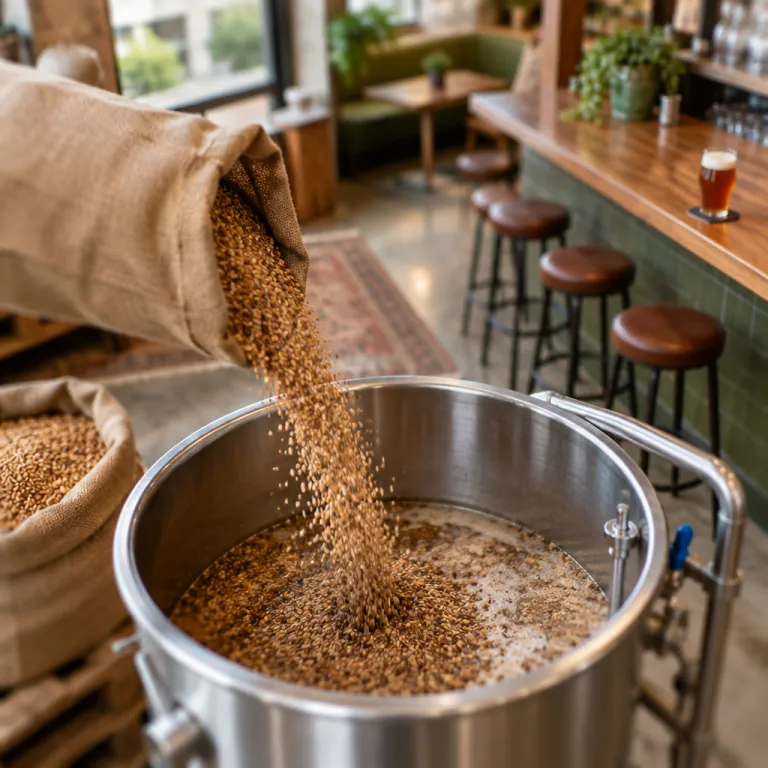
Why colorado malting company products used in Denver hotels matter for your stay
When you book a hotel in Denver, the glass in your hand can define the stay. Many leading properties now highlight how Colorado Malting Company ingredients showcased in their bars connect guests directly to the state’s brewing industry and agricultural heritage. This quiet shift means your choice of room can also be a choice for better beer and whiskey.
Colorado Malting Company is a craft malting company based on a working family farm near Alamosa in southern Colorado, and its malting facility supplies base malt and specialty malt to craft breweries and brewers distillers across the United States. From Pilsner malt and pale malt to smoked and roasted grain, the company turns local barley and other raw materials into the backbone of Denver’s craft beer and single malt whiskey scene. Hotels that partner with this independent maltster can offer a bar list where every beer, whiskey, and cocktail tells a Colorado farm story.
This producer operates a vertically integrated farm to glass model, meaning the founding family grows, steeps, germinates, and kilns the grain on their own family farm. That level of control over each malt and each grain allows brewers and craft breweries in Denver to focus on flavor, while guests simply enjoy a higher quality pour. When you see Colorado Malting Company highlighted on a hotel menu, you are tasting a direct line from farm soil to city skyline.
From San Luis Valley fields to Denver taps and hotel bars
The San Luis Valley, where Colorado Malting Company and the family farm sit, is one of the highest agricultural basins in Colorado. Cool nights and intense sunlight help barley, rye, and other grain develop concentrated flavor, which then shapes the malt that Denver brewers rely on. When hotels curate craft beer lists built on these grains, guests experience the region’s altitude and climate in every sip.
Inside the malting facility, the company uses a single vessel system where steeping, germination, and kilning happen in one controlled environment, and this approach gives brewers and craft brewers consistent malt quality for both beer and whiskey. Traditional roasting techniques and smoke kilns using mesquite, applewood, or cherrywood create smoked malt and roasted malt that appear in limited releases often poured at hotel bars near LoDo and RiNo. If you plan your Denver hotel stay around the best breweries, you will quickly notice how often Colorado Malting Company grain featured in those taprooms also appears on nearby hotel tap lists.
Many hotels now work with local partners so that the same craft malt and grain supporting neighborhood taprooms also supports their in house bars. Reading a hotel’s bar menu before booking can reveal whether they highlight local brewing or rely on generic imports. For a practical planning guide, look for resources that explain how to plan your Denver hotel stay around the best breweries, then cross check which properties showcase Colorado Malting Company and other local malting partners.
How colorado malting company products used shape hotel craft beer programs
Denver hotels serious about craft beer rarely treat malt as an afterthought. They work closely with brewers and craft breweries who specify which base malt, smoked malt, or chocolate malt from Colorado Malting Company will anchor a house lager, a seasonal stout, or a rye forward ale. This collaboration means the malt profile is designed with hotel guests in mind, not just taproom regulars.
Because the malting company offers both Pilsner malt and pale malt as base options, brewers can tailor body and color for beers that pair well with hotel restaurant menus, and smoked malts or roasted malts add depth to dishes like charred vegetables or grilled steak. Some hotel bars feature a rotating tap dedicated to a single malt showcase, where one beer highlights a specific barley variety or rye grain grown on the family farm in Alamosa. When Colorado Malting Company varieties used in these beers are clearly listed, guests can compare how different grain and malt choices change aroma and mouthfeel.
For travelers, this attention to malt and grain translates into a more coherent experience between room, restaurant, and bar. You might check in, order a craft beer brewed with local barley and craft malt, then later tour the same brewery that collaborated with your hotel. That seamless link between brewing, hospitality, and agriculture is one of Denver’s quiet luxuries for beer focused visitors.
Whiskey, single malt, and cocktail programs in Denver hotels
Not every guest is a beer drinker, and Denver hotels have responded by elevating whiskey and cocktail programs built on the same raw materials. Distillers in the United States increasingly rely on Colorado Malting Company for rye, barley, and gluten free grains such as buckwheat, millet, and quinoa, which then appear in hotel back bars as regional whiskey and single malt expressions. When you see a Denver made whiskey on the shelf, there is a strong chance the grain started on a Colorado family farm.
Colorado Malting Company’s roasting and smoking methods give brewers distillers and craft maltsters nuanced malt for both beer and whiskey, and smoked grain can lend subtle campfire notes to a hotel’s signature Old Fashioned or Manhattan. Because the malting facility also experiments with gluten free grain, some Denver bars now offer spirits and liqueurs suitable for guests with dietary restrictions, without sacrificing flavor or craft. Asking whether Colorado Malting Company grain appears in a hotel’s whiskey list can be a simple way to gauge how deeply the property engages with local producers.
For cocktail lovers, this means more than a long menu. It means a bar team that understands how malt, grain, and smoke interact with citrus, bitters, and ice, and can explain why a particular rye whiskey pairs with a certain garnish. When a bartender can talk confidently about the founding family, the farm, and the malting process, you are in a place where the story behind the drink matters as much as the presentation.
Reading hotel menus for clues about malting, grain, and local partnerships
Before you commit to a Denver reservation, it pays to read between the lines of the hotel’s bar and restaurant menus. Look for explicit references to Colorado Malting Company, colorado malting, or phrases such as farm to glass and family farm, which signal that Colorado Malting Company products are part of a deliberate sourcing strategy. Mentions of specific barley varieties, rye grain, or smoked malt styles are further signs of a serious program.
Some hotels highlight collaborations with named brewers, craft brewers, or craft breweries, and these partnerships often revolve around shared access to high quality malt and grain. For example, Denver Beer Co. and TRVE Brewing have both brewed with Colorado Malting Company grain, and beers from those breweries frequently appear on curated hotel tap lists. When you see a beer brewed exclusively for the hotel using Pilsner malt from a local malting company, or a whiskey finished with grain from the San Luis Valley, you can be confident that the property values both flavor and local agriculture. Articles explaining how Denver’s festivals and concerts shape the best places to stay often point to these beverage programs as a key differentiator between otherwise similar hotels.
Pay attention to how often the word local appears alongside beer, whiskey, and grain descriptions. A menu that simply lists generic styles without naming the maltster, the farm, or the brewing partners usually reflects a more commoditized approach. By contrast, a menu that proudly notes Colorado Malting Company, the family ownership, or the San Luis Valley is inviting you into a deeper regional narrative.
What colorado malting company products used reveal about Denver hotel values
Choosing a Denver hotel aligned with Colorado’s brewing culture is ultimately about values as much as taste. Properties that feature Colorado Malting Company malt across beer, whiskey, and cocktails are signaling support for local agriculture, independent brewers, and a more sustainable brewing industry. They are also offering guests a more textured sense of place than any generic international brand could provide.
Colorado Malting Company is a small regional maltster focused on supplying craft breweries and distilleries rather than mass market brands, and its scale keeps production closely tied to the farm and the brewhouse. Co founder Jason Cody has described the approach as “keeping every step as close to the field as possible,” and that scale allows the team to remain close to both growers and brewers, adjusting malt specifications quickly when brewers or brewers distillers in Denver request new profiles. For hotel guests, this agility shows up as seasonal beers, limited whiskey releases, and one off collaborations that keep bar lists fresh throughout the year.
When you see Colorado Malting Company featured prominently in a hotel’s storytelling, you can infer a broader commitment to transparency and quality. These are the properties more likely to train staff on the difference between base malt and specialty malt, or between barley and rye in a mash bill. For a stay that feels distinctly Denver, align your booking with hotels that treat malt, grain, and local partnerships as central pillars rather than afterthoughts.
Key figures behind colorado malting company products used in Denver
- Colorado Malting Company operates as a regional craft malt house, focusing on supplying breweries and distilleries that value traceable grain and distinctive malt character rather than high volume commodity production.
- The company’s vertically integrated farm to glass model means that barley, rye, and other grain are grown, malted, and shipped from a single family farm site in the San Luis Valley, reducing transport steps compared with multi site supply chains.
- Product lines include base malts such as Pilsner malt and pale malt, specialty roasted malts, chocolate malt, and smoked malts using mesquite, applewood, and cherrywood, giving Denver brewers and distillers a wide palette for hotel focused recipes.
- Gluten free grains including buckwheat, millet, and quinoa are malted for use in beer and spirits, which supports hotels aiming to offer inclusive beverage options for guests with dietary restrictions.
- Regional reports highlight growing demand for specialty roasted malts and increased rye use to conserve water, trends that align with Denver hotels seeking both flavor innovation and more sustainable sourcing.
FAQ about colorado malting company products used in Denver hotels
Which base malts from Colorado Malting Company are most common in Denver hotel beers ?
Denver hotel beers that highlight Colorado Malting Company typically rely on Pilsner malt and pale malt as their base malts. These provide a clean, versatile foundation for lagers, pale ales, and some IPAs poured in hotel bars. Brewers then layer specialty roasted or smoked malts on top for complexity.
What specialty malts from Colorado Malting Company might I see on a hotel menu ?
Hotel menus often feature beers brewed with smoked malts using mesquite, applewood, or cherrywood, as well as roasted malts and chocolate malt from the same malting facility. These specialty malts add color, aroma, and flavor ranging from gentle toast to rich cocoa. They are especially common in seasonal stouts, porters, and smoked ales.
Are there gluten free options linked to Colorado Malting Company in Denver hotels ?
Yes, some Denver hotels pour beers or spirits made with gluten free grains malted by Colorado Malting Company, including buckwheat, millet, and quinoa. Availability varies by property and by brewery partner, so it is worth asking staff which gluten free products are on tap or in the bottle list. Clear labeling on menus is a good sign of a thoughtful program.
How can I tell if a Denver hotel supports local brewers and maltsters ?
Look for explicit mentions of Colorado Malting Company, local breweries, and specific grain varieties on the bar menu or website. Hotels that list the maltster, the farm, or the collaborating brewery are usually more invested in regional partnerships. Staff who can explain these relationships confidently provide another strong indicator.
Why do some Denver hotels emphasize farm to glass stories in their bars ?
Emphasizing farm to glass stories allows hotels to connect guests with Colorado’s agricultural and brewing heritage while differentiating their beverage programs. By featuring Colorado Malting Company malt in collaboration with nearby breweries and distilleries, properties can offer drinks that are unique to their bar. This narrative focus often appeals to travelers who value authenticity and local flavor.