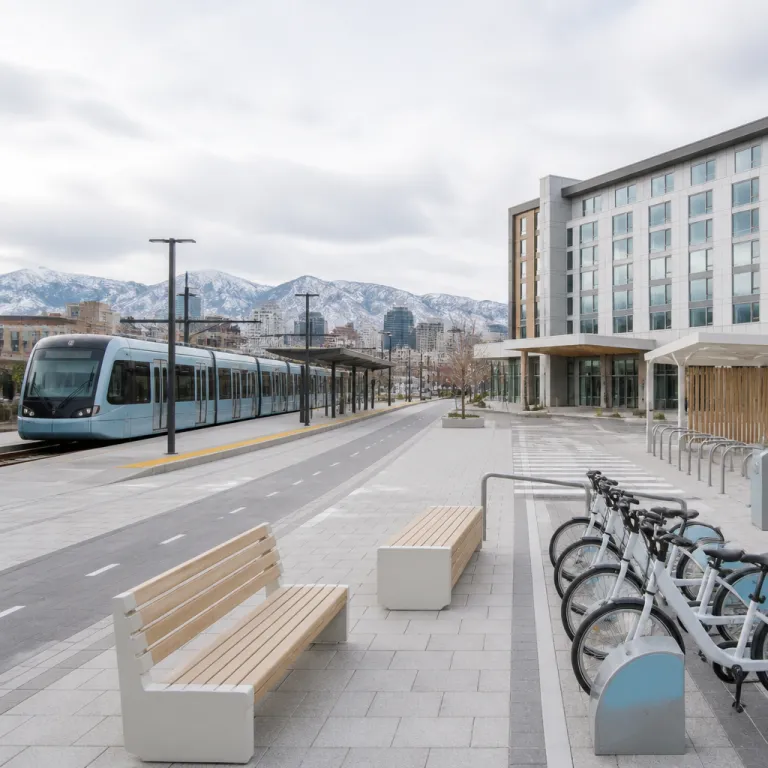
How this elegant Denver public transportation guide serves hotel guests
Denver rewards visitors who understand its public transportation options before they book a room. This elegant Denver public transportation guide focuses on how the Regional Transportation District, or RTD, shapes where you should stay in the Mile High City. When you match your hotel to the right rail, bus, and transit services, every ride between airport, station, and downtown Denver becomes smooth, predictable, and far less stressful.
The RTD transportation district manages an integrated rail system and extensive bus routes that link Denver International Airport with the city core and surrounding neighbourhoods. Because the RTD rail and RTD bus networks are designed around key hubs such as Denver Union Station, your choice of hotel will either shorten or lengthen every ride you take. For travellers who value time, comfort, and budget, understanding where the main rail lines, commuter rail corridors, and light rail services run is as important as comparing room categories, breakfast options, or parking fees.
Many first time visitors underestimate how large the city is and how much public transportation can save on taxis and rideshares. If you stay near a major RTD light rail station or a frequent bus and rail transfer point, you can reach most downtown attractions in under thirty minutes, even during busy periods. This guide will show you how to use RTD MyRide, how to tap to ride efficiently, and how to align your hotel search with the most reliable transit lines in the high city so that your itinerary feels organised rather than improvised.
From Denver International Airport to your hotel with rail and bus
Every hotel search in Denver should start with the journey from Denver International Airport, because that first transfer sets the tone for your stay. The airport rail, officially part of the RTD rail system, runs between the international airport and Denver Union Station with a consistent level of service throughout the day. According to RTD guidance consulted in early 2024, “How often does the airport train run?” and the official answer is “Every 15 minutes during peak times,” which makes planning straightforward and easy to verify in current timetables on RTD’s trip-planning tools.
This commuter rail line, branded the A Line, offers a scheduled ride of roughly 37 minutes from Denver International to the city, which makes it the backbone of any serious Denver public transportation guide and a key factor in hotel selection. If you book a hotel near Union Station or within a short walk of downtown Denver rail lines such as the L line at 18th & Stout or the D and H lines at Theatre District–Convention Center, you can step off the train and be at your check in desk in minutes, even with luggage. Travellers who prefer buses can connect from the station to RTD bus routes that fan out across the city, but the airport rail remains the most efficient option for most visitors balancing time, cost, and reliability.
Some guests choose hotels closer to the international airport for early departures or late arrivals, prioritising sleep over a central address. In that case, you will rely more on bus services, park and ride facilities, and occasional bus and rail transfers rather than the full light rail network into downtown. When you compare properties, ask how far the nearest RTD bus stop or rail station is in metres or walking minutes, and whether the hotel offers a shuttle to Denver Union Station or another major transit hub so that you can avoid unexpected last minute taxi expenses.
Choosing a hotel by RTD rail, light rail, and bus access
Once you know your arrival route, the next step is to map hotels against RTD rail, light rail, and bus services using a transit map or journey planner. In central Denver, the most strategic addresses sit within a short walk of Denver Union Station, where commuter rail, light rail, and multiple buses converge in a single multimodal hub. This single station anchors the rail system and gives you direct public transportation links to the airport, downtown Denver, and several suburban lines without needing a rental car.
For business travellers, staying near light rail stations along the D, H, or L lines can cut daily commute times dramatically and reduce parking costs. These rail lines connect office districts, the Colorado Convention Center, and residential neighbourhoods without the stress of driving or navigating unfamiliar one way streets in the high city. Leisure guests often prefer hotels near the 16th Street corridor, where the FreeRide bus service and other RTD bus routes provide frequent transit between shops, restaurants, and cultural venues, turning the area into a walkable, transit rich base.
When evaluating properties, look beyond generic claims about easy transportation and ask for precise RTD details that you can verify on a map. Request the name of the closest light rail station, the distance to the nearest park and ride, and which bus routes stop within a five minute walk at typical frequencies. A hotel that can explain how to use RTD MyRide, where to tap to ride, and which RTD light rail or RTD bus lines serve the area usually indicates strong local expertise and a guest focused approach to urban mobility.
Using RTD MyRide, tap to ride, and passes during your stay
Payment is where many visitors either unlock the full value of Denver public transportation or overpay for each ride without realising it. RTD MyRide is the agency’s account based system that lets you load value, tap to ride on buses and rail, and track your spending across the transportation district with automatic fare calculation. When you pair MyRide with a hotel near a busy station or major bus routes, you can move through the city with the ease of a local commuter and avoid queuing at ticket machines.
For short stays focused on downtown Denver, a local three hour pass on bus or light rail often covers multiple trips between meetings, meals, and attractions without needing a day ticket. RTD states in its fare information updated for 2024 that “How much is a local bus fare?” and the answer is “$3 for a 3-hour pass,” which is competitive compared with many other U.S. cities and can be confirmed in current fare tables or the official RTD app. If your hotel lies outside the core or you plan frequent journeys to and from Denver International, consider day passes that work across bus, light rail, commuter rail, and the airport train so that you cap your daily transport costs.
Most modern stations and many park and ride locations have ticket vending machines, but tapping a MyRide card or mobile wallet is faster during busy periods and reduces the need for cash. Ask your hotel concierge where to buy or reload MyRide near the property, and whether any nearby bus and rail transfer points accept contactless payments on board or at platforms. A well informed front desk in the mile high city will also remind you to check the RTD app for real time service updates before you leave your room, especially in winter or during major events.
Neighbourhoods and hotel areas best served by public transportation
Different parts of Denver offer very different levels of public transportation, which should guide your hotel choice as much as star rating or brand. Downtown Denver and the immediate area around Denver Union Station remain the most connected zones for rail, bus, and transit services at almost all hours. Here you will find frequent light rail trains, dense bus routes, and easy rides to both the airport and major cultural venues, making it ideal for first time visitors.
Travellers attending events at Ball Arena or Empower Field often favour hotels along the W line or near key bus and rail interchanges that serve the stadium district. These rail lines and buses provide direct service to stadiums, cutting the need for parking and allowing you to enjoy the high city nightlife without driving or worrying about post event traffic. Cherry Creek, by contrast, offers a refined shopping district but relies more heavily on bus services, so guests there should pay close attention to RTD bus frequencies, evening schedules, and the location of the nearest frequent route.
Neighbourhoods south of the city core, such as the Tech Center, are well served by RTD light rail, making them practical for business stays that still require occasional trips to downtown Denver for dining or entertainment. In these areas, a hotel adjacent to a station can turn a long car journey into a predictable twenty minute rail ride with no parking search at the end. When comparing properties across the wider transportation district, always weigh room rates against the time and cost of reaching your main destinations by rail system or bus network, especially if you are travelling with colleagues or family.
Practical tips for seamless rides between hotel, city sights, and airport
Once you have chosen a hotel aligned with RTD rail and bus access, a few habits will keep every ride efficient and reduce last minute stress. Start each morning by checking the RTD app for any service alerts affecting your usual lines, especially if you rely on commuter rail to reach Denver International Airport for a flight. The agency itself advises travellers to “Use RTD app for schedules.”, “Purchase tickets in advance.”, and “Check for service updates.” so that you can adjust quickly if something changes.
When planning a day that mixes meetings, museums, and dining, cluster activities along the same light rail corridor or bus routes to minimise transfers. For example, a guest staying near Union Station might ride the airport train in the morning, walk about ten minutes to a hotel in LoDo, then use the D line to reach the Colorado Convention Center before taking a local bus to dinner in Cherry Creek and returning on the same corridor. Another visitor could stay near the 18th & California light rail stop, walk five minutes to the 16th Street FreeRide for lunch on the mall, then transfer at Union Station to the A Line for an evening flight, with each walking segment under ten minutes.
Finally, remember that Denver sits at altitude, so even short walks between hotel and rail station can feel more demanding than at sea level, particularly with luggage. Build a few extra minutes into each transfer, especially when moving bags between Denver Union Station and your chosen property or catching the airport train. With realistic timing, a loaded MyRide card, and a clear sense of which rail lines and buses serve your area, the mile high city becomes an elegant, easily navigated destination for every stay, whether business or leisure.
Key figures that shape your Denver transit based hotel strategy
- RTD reports operating on the order of 170 bus routes across the transportation district as of 2024, giving hotel guests in most urban neighbourhoods at least one frequent bus option within walking distance of their lobby or front door.
- The light rail network includes on the order of 50 stations according to RTD materials consulted in 2024, which means that choosing a hotel within 500 metres of one of these stops can place you on a direct rail line to downtown Denver or Denver Union Station without needing a car.
- The airport rail fare between Denver International Airport and Denver Union Station is listed by RTD at about 10.5 USD in 2024, which is typically far lower than a taxi or rideshare for the same journey and more predictable during peak traffic or bad weather.
- RTD buses and light rail services run every day of the year, with many core bus routes and some rail lines offering extended hours that support late check ins, early departures, and evening events across the city.
- The 16th Street FreeRide shuttle operates as a zero fare bus service through the heart of downtown Denver, allowing guests at central hotels to move between shops, offices, and restaurants without paying an additional transit fare or using a car.
FAQ: planning hotel stays around Denver public transportation
Is there a free downtown shuttle near most central hotels ?
Yes, many hotels in downtown Denver sit within a short walk of the 16th Street FreeRide, and RTD confirms this by answering “Is there a free downtown shuttle?” with “Yes, the 16th Street FreeRide.” This zero fare bus service runs along the 16th Street corridor, linking major offices, shops, and restaurants throughout the central business district. Guests can combine the shuttle with nearby light rail stations and bus routes to cover most central journeys without a car or paid transit ticket.
How often does the airport train run between Denver International and downtown ?
The airport train on the commuter rail line typically runs every fifteen minutes during busy periods, which makes it one of the most reliable ways to travel between Denver International Airport and Denver Union Station with minimal waiting. Outside peak times, frequencies may be slightly lower, but the service remains regular throughout the day and evening. Hotel guests can plan check in and check out around this schedule, and RTD timetables or the official app let you confirm exact departure times before you travel.
Should I choose a hotel near Denver Union Station or elsewhere in the city ?
A hotel near Denver Union Station offers unmatched access to commuter rail, light rail, and multiple bus services, which is ideal for visitors who expect to use public transportation frequently or have varied plans. Properties in other neighbourhoods can still work well if they sit close to a major station, park and ride, or several RTD bus routes that run at convenient intervals. The best choice depends on whether your main activities are in downtown Denver, the Tech Center, or near the international airport, and how comfortable you are with transfers.
Is it easy to use RTD MyRide and tap to ride as a visitor ?
Visitors generally find RTD MyRide straightforward, especially when hotel staff explain where to buy or reload cards near the property and how to register an account. Once your account is loaded, you simply tap to ride on buses and at rail validators, and the system deducts the correct fare for each journey automatically. Using MyRide across the transportation district helps you avoid handling cash, speeds up boarding at busy stops, and gives you a clear record of your travel spending.
Can I rely on public transportation for late evening returns to my hotel ?
Many core RTD bus routes and several light rail lines operate into the late evening, particularly those serving downtown Denver and major corridors with entertainment venues. However, frequencies drop after peak hours, so it is wise to check the RTD app or schedules before planning very late returns or long cross town trips. If your hotel lies in a quieter area beyond the main rail system, consider a backup option such as a rideshare or taxi for the final leg of the journey after midnight.
Sources
- Regional Transportation District (RTD) official information and fare data, accessed 2024.
- City and County of Denver transportation and planning publications, accessed 2024.
- Denver International Airport ground transportation guidance, accessed 2024.