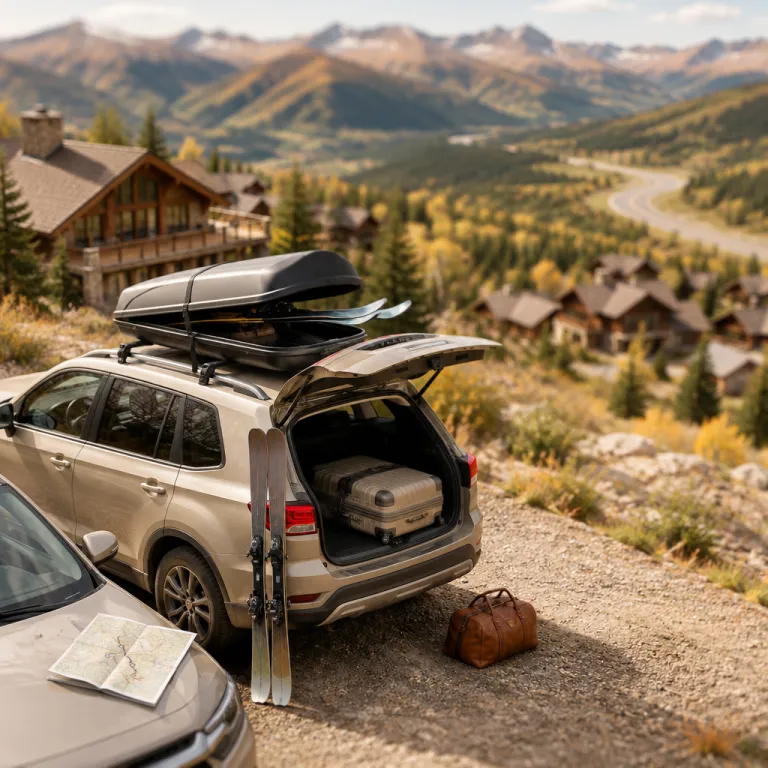
How far is Denver from Vail and what that means for your hotel choice
How far is Denver from Vail and what that means for your hotel choice
The practical answer to how far Denver is from Vail is surprisingly straightforward. The distance between Denver and Vail, Colorado, is about 160 kilometres (roughly 100 miles) along Interstate 70 through the Front Range and the high mountain corridor. For travellers planning a hotel in Denver as a base, that Denver–Vail distance shapes everything from your ideal check in time to how you schedule your ski days.
On a clear day with light traffic, the typical Denver–Vail drive time ranges from about one hour and forty five minutes to just over two hours by car. That driving time assumes normal road conditions over the Continental Divide at Eisenhower Tunnel, where winter weather can quickly turn a smooth drive into a slow crawl. CDOT travel-time data for the I‑70 mountain corridor shows that midweek winter mornings often sit near the lower end of that range, while Friday evenings and Sunday afternoons can push average times well past two hours.1
Many visitors land at Denver International Airport and wonder whether to stay near the terminal or in the city before heading west toward Vail Valley. The international airport sits about 40 kilometres from downtown Denver, so your first car ride, DIA to Vail shuttle, or private transfer already adds extra time to your overall trip. Choosing a central Denver hotel close to major highways can reduce your total driving time to Vail and make early departures for the mountain far less stressful.
Using Denver as a mountain getaway base for Vail and beyond
Denver works beautifully as a mountain gateway because it blends urban comfort with easy access to ski country. When you calculate how far Denver is from Vail in both distance and time, you realise that staying in the city lets you enjoy restaurants, culture, and concerts at Red Rocks while still reaching the slopes in a single morning. For travellers who want flexibility, a Denver base means you can pivot between Vail, Breckenridge, and Winter Park depending on weather and snow.
Hotels in central neighbourhoods such as LoDo, Cherry Creek, and Union Station place you close to the main highway for the drive from Denver to the high country. From these districts, the Denver–Vail driving time is only slightly longer than from western suburbs, yet you gain walkable dining and better transportation options. If you are visiting during autumn, pairing a Denver stay with a day trip to Vail Valley creates a refined version of a mountain road trip, and guides to where to base yourself for Colorado’s early fall colours can help you match foliage routes with your preferred hotel area.
Some guests choose to split their trip, spending a few nights in Denver before moving to a lodge in Vail, Colorado, for ski focused days. One recent visitor described it as “the best of both worlds: craft beer and museums in Denver, then waking up right under the Vail gondola.” That approach reduces daily travel time while still letting you enjoy the museums, sports events, and dining that define the Mile High City. When you plan this kind of multi stop trip, confirm flexible cancellation policies, because changing mountain weather and shifting road conditions can alter your ideal schedule at short notice.
Driving from Denver to Vail: distance, road conditions, and timing
The classic way to experience how far Denver is from Vail in real terms is to drive the route yourself. From downtown Denver to Vail along Interstate 70, you climb steadily from about 1 600 metres to more than 3 400 metres at the Eisenhower Tunnel before dropping into Vail Valley. That elevation gain makes the drive from Denver to the mountains scenic but also sensitive to weather, so your hotel choice should support early departures and late returns.
In dry summer conditions with minimal traffic, the Denver–Vail drive time can be as short as one hour and thirty five minutes. During peak ski season weekends or heavy snow, the same distance may require three hours or more, especially if road conditions trigger chain laws or temporary closures. CDOT’s live “I‑70 conditions today” updates often show winter Sunday return traffic averaging closer to two hours and forty five minutes between Vail and Denver, with occasional spikes beyond three hours when storms move through.1
Many visitors rent a car at Denver International or arrange a private car service from the terminal to their hotel before continuing to the mountains. If you prefer to stay in Denver and use the city as your winter base, resources on where to ski near Denver Colorado can help you compare Vail with closer resorts such as Loveland or Arapahoe Basin. That way you can balance travel time, ski terrain, and your tolerance for winter driving when deciding whether to commit to the full Denver–Vail journey.
Airport logistics: from Denver International to your hotel and on to Vail
Most long haul visitors first encounter Colorado at Denver International, a major hub with extensive flight options. From the international airport to downtown Denver, the distance is about 40 kilometres, and the ride by train or car usually takes around thirty five minutes outside rush hour. When you evaluate how far Denver to Vail feels overall, remember to add this initial transfer time from Denver airport to your chosen hotel.
Travellers who prefer simplicity often arrange a private car service that collects them at Denver International and continues directly to Vail, Colorado, without an overnight stop. That approach turns the Denver–Vail drive into a single continuous trip of roughly 200 kilometres, but it can be tiring after a long flight, especially if traffic or winter weather slows the route. An alternative is to book a hotel near Union Station or in LoDo, rest for a night, then tackle the distance from Denver to Vail early the next morning when road conditions and congestion are usually better.
Shared shuttles operate between the airport and Vail Valley, and some companies also offer door to door service from Denver to resort hotels. These transportation options reduce the stress of mountain driving time, particularly for guests unfamiliar with snow or high altitude. When comparing airport–Vail transfers, ask about typical travel time by season, luggage policies for ski equipment, and whether the service adjusts departure schedules based on real time road conditions.
Choosing between car rental, private transfers, and other transportation
Your comfort with mountain driving should guide how you handle the Denver to Vail journey. Renting a car gives you maximum flexibility to adjust your trip around changing weather, explore side destinations like Red Rocks Amphitheatre, and stop in small towns along the way. However, the combination of altitude, potential snow, and variable traffic means that not every visitor will enjoy managing the full Denver–Vail drive themselves.
Private car service options between Denver and Vail, Colorado, range from shared vans to luxury SUVs with professional drivers. These services know exactly how far Denver is from Vail in both distance and typical travel time, and they monitor road conditions constantly to adjust routes or departure times. If you are staying in a higher end Denver hotel, the concierge can often recommend a trusted Denver–Vail partner and arrange a door to door ride that aligns with your check in and ski rental appointments.
For guests who still want the independence of a car without committing to winter highway driving, one strategy is to stay in Denver and rent a vehicle only for local use. Guides to Denver car rental deals for hotel guests can help you choose a model suited to urban exploration and short mountain excursions. Then, when you are ready for the longer distance from Denver to Vail, you can switch to a dedicated transportation service that specialises in the Vail drive and understands seasonal travel time nuances.
Timing your Denver to Vail trip around weather, traffic, and ski plans
The same physical distance between Denver and Vail can feel very different depending on when you travel. Early morning departures typically offer the best combination of lighter traffic, more predictable driving time, and smoother road conditions over the passes. If you are staying in Denver primarily as a mountain getaway base, choose a hotel that offers flexible breakfast hours or grab and go options so you can leave at your ideal time of day.
During peak ski season, Friday evenings and Saturday mornings often see the heaviest traffic on the Denver–Vail corridor. In those windows, the usual one hour and forty five minute drive can stretch well beyond three hours, especially if weather systems move through the high country. Planning your trip so that you ski Vail, Colorado, midweek and explore Denver’s dining or cultural scene on weekends can dramatically improve your overall travel time experience.
Spring and autumn bring their own nuances, with rapidly changing weather that can shift from dry pavement to snow within a single mountain segment. Always check the forecast and live cameras before leaving your Denver hotel, and be prepared to adjust your plans if road conditions deteriorate. When you understand how far Denver is from Vail not just in kilometres but in seasonal context, you can design a stay that balances city comfort, mountain adventure, and realistic transportation expectations.
Key figures for the Denver to Vail journey
- The driving distance from downtown Denver to Vail is about 160 kilometres, or roughly 100 miles, via Interstate 70 according to Colorado Department of Transportation mapping data.1
- Typical driving time in dry conditions ranges from one hour and thirty five minutes to just over two hours, while winter storms can extend travel time beyond three hours on busy weekends. CDOT sample averages show midweek winter mornings often around one hour and fifty minutes, compared with two hours and thirty minutes or more on peak Saturdays.1
- Denver International Airport sits approximately 40 kilometres from downtown Denver, adding around thirty five minutes of transit before you even begin the main mountain drive toward Vail.
- The Eisenhower Tunnel on Interstate 70 reaches an elevation of about 3 401 metres (11 158 feet), making it one of the highest vehicular tunnels in the world and a key factor in winter road conditions.2
- Vail Mountain receives an average of roughly 760 centimetres (300 inches) of annual snowfall at higher elevations, based on long term Vail Mountain resort statistics, which contributes to excellent ski conditions but also increases the likelihood of weather related delays on the Denver–Vail route.3
| Segment | Distance | Typical drive time (good conditions) | Typical drive time (busy / winter) |
|---|---|---|---|
| Downtown Denver to Vail | ~160 km / 100 miles | 1 h 35 min – 2 h 5 min | 2 h 30 min – 3+ h |
| Denver International to downtown Denver | ~40 km / 25 miles | ~35 min | 45–60 min at rush hour |
1 Based on typical travel times reported by the Colorado Department of Transportation (CDOT) for the I‑70 mountain corridor, including sample midweek and weekend winter averages. 2 Elevation figure from official Eisenhower–Johnson Memorial Tunnel specifications. 3 Snowfall average derived from published Vail Mountain resort statistics for higher elevation terrain.
FAQ about travelling between Denver and Vail
How far is Denver from Vail in driving distance and time ?
The distance between downtown Denver and Vail is about 160 kilometres, or roughly 100 miles, along Interstate 70. In good weather with light traffic, the Denver–Vail drive usually takes between one hour and thirty five minutes and just over two hours. Winter storms, accidents, or heavy weekend traffic can extend that driving time significantly, sometimes beyond three hours.
Is it better to stay in Denver or Vail for a ski holiday ?
Staying in Vail, Colorado, places you steps from the lifts and minimises daily travel time, which suits visitors focused almost entirely on skiing. Choosing a hotel in Denver offers more varied dining, cultural attractions, and easier access to the airport, while still allowing day trips to multiple resorts including Vail, Breckenridge, and Winter Park. Many travellers split their stay, spending a few nights in Denver before or after several nights in Vail Valley to balance convenience and variety.
Do I need a car to travel from Denver International Airport to Vail ?
You do not necessarily need a car, because several private and shared transportation services operate between Denver airport and Vail. Renting a car provides flexibility to stop en route and explore, but it also requires confidence in winter mountain driving and comfort with changing road conditions. For guests who prefer not to drive, private car service, DIA to Vail shuttle options, and scheduled shared vans offer door to door transfers from the international airport to hotels in both Denver and Vail.
When is the best time of day to drive from Denver to Vail ?
Early morning is generally the best time of day to drive from Denver to Vail, especially in winter. Traffic is lighter, road crews have often cleared overnight snow, and you gain more daylight margin if conditions deteriorate. Avoid Friday evenings and Saturday mornings during peak ski season, when congestion and weather can combine to double the usual travel time.
How do weather and road conditions affect the Denver to Vail route ?
Because the route climbs above 3 000 metres, weather can change quickly, with snow, ice, and wind affecting both safety and speed. Colorado Department of Transportation sometimes enforces traction or chain laws, which slow traffic and can catch unprepared drivers by surprise. Checking forecasts, live cameras, and official updates on I‑70 conditions today before leaving your Denver hotel is essential for a safe and efficient trip to Vail.