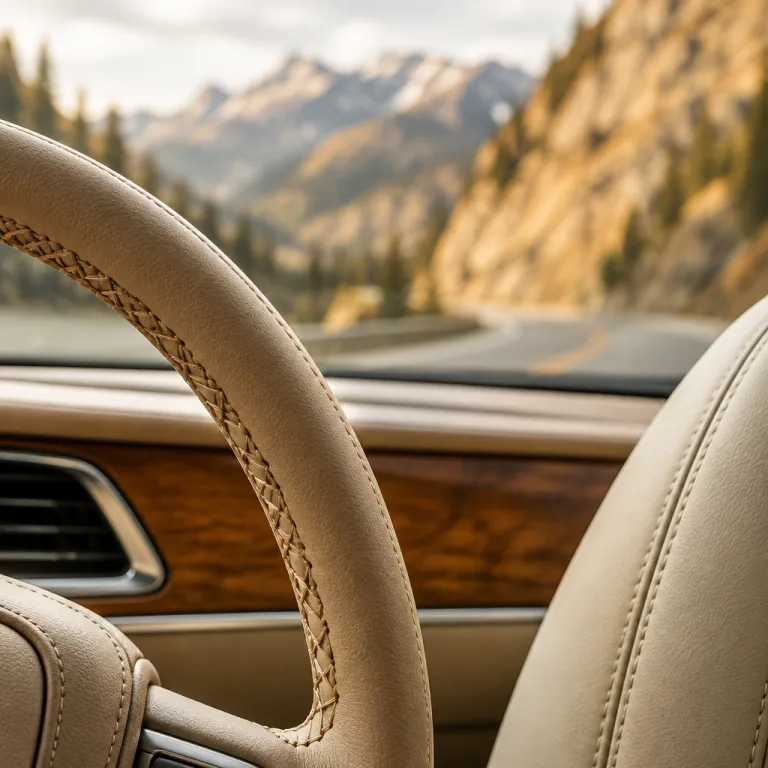
Why the Denver to Telluride drive is ideal for hotel‑based explorers
The Denver to Telluride drive suits travelers who prefer a comfortable hotel base in the city before heading into the mountains. This road trip links Denver with the high mountain town of Telluride, letting you enjoy urban comforts one night and alpine quiet the next. With the right route and timing, you can turn a simple drive between Denver and Telluride into a scenic, multi day journey that feels both efficient and indulgent.
From central Denver, most visitors follow a primary route west on Interstate 70 before turning south toward the San Juan Mountains in southwest Colorado. The most common path runs Denver–Idaho Springs–Glenwood Springs–Montrose–Ridgway–Telluride and covers roughly 330 to 360 miles (about 530 to 580 kilometres), which usually means 6.5 to 7.5 hours of pure driving in normal conditions according to typical Colorado Department of Transportation and mapping estimates. This route from Denver to Telluride passes several hot springs towns, dramatic canyon stretches, and national park gateways, which makes it easy to break up the time on the road.
Many travelers choose to book a hotel in Denver for the first stay night, then treat the Denver Telluride corridor as a curated road trip rather than a single long drive. That approach works especially well for family friendly groups who want shorter driving days and more fun stops. It also allows you to compare Denver hotels with mountain village accommodations in Telluride and nearby towns like Ridgway or Montrose, so you can decide where to spend more of your trip budget.
Choosing Denver as your mountain getaway base before the long drive
Staying in Denver before you tackle the full Denver to Telluride drive gives you time to acclimatize to altitude and organize logistics. The city sits at about 1.6 kilometres above sea level, which is lower than any mountain village on the route but high enough to start adjusting. A well located hotel in Denver also lets you explore neighbourhood restaurants and parks the night before your trip, then depart rested the next morning.
For winter visitors, Denver works as a strategic base for ski days at resorts closer to the city before you continue along the route toward Telluride. You can use guidance such as this detailed resource on where to ski near Denver and how to use the city as your winter base to plan a few warm up days. After that, the longer drive from Denver to the San Juan Mountains feels like a natural extension of your Colorado mountain holiday rather than a single demanding push.
Denver hotels also offer easy access to car rentals, which is essential for a flexible road trip itinerary. When you pick up your vehicle in Denver, confirm that your rentals agreement allows one way returns if you plan to fly out of Montrose or Grand Junction instead of driving back. For travelers who want to compare the Denver Telluride direction with the Telluride Denver return, starting and ending in Denver keeps logistics simple and gives you a familiar city base at both ends of the trip.
Designing a scenic route from Denver to Telluride with smart overnight stops
The most scenic version of the Denver to Telluride drive usually follows Interstate 70 west from Denver, then branches south through the heart of the Rockies. Many travelers choose to break the route into two or three segments, turning a long day behind the wheel into a relaxed Colorado road trip. Your choice of where to stay night along the way will shape how much time you have for each canyon, hot springs pool, and mountain town.
One classic route from Denver passes Idaho Springs, Glenwood Springs, and then either Montrose or Ridgway before reaching Telluride. Idaho Springs makes a convenient first stop, with historic streets, nearby hike options, and easy access back to the highway the next morning. Continuing west, Glenwood Springs offers a larger town feel, family friendly hot springs, and quick access to Glenwood Canyon, which is one of the most scenic highway stretches in the state.
To turn this into a richer Denver Telluride itinerary, consider using a structured guide such as this overview of Denver day trips by car and how to turn a hotel stay into a mountain escape. The same principles apply on a longer drive Denver to Telluride, where each overnight stop becomes a mini destination. A simple two night outline might look like this: Day 1 Denver to Glenwood Springs (about 260 kilometres and 3 to 3.5 hours of driving), with an afternoon soak and dinner in town; Day 2 Glenwood Springs to Montrose via Grand Junction or Delta (roughly 210 to 260 kilometres and 2.5 to 3.5 hours), leaving time for a short visit to Colorado National Monument or Black Canyon of the Gunnison National Park; Day 3 Montrose or Ridgway to Telluride (around 100 kilometres and 1.5 to 2 hours), arriving early enough to ride the gondola or stroll the box canyon before sunset.
Key highlights along the Denver to Telluride drive for nature lovers
Nature focused travelers value the Denver to Telluride drive because it links several major landscapes in a single trip. Between Denver and Glenwood Springs, the highway threads through Glenwood Canyon, where sheer rock walls rise above the Colorado River and short hike options start right from rest areas. This section alone makes the route from Denver feel like more than simple transit, especially when you time your drive for daylight and roll down the windows to hear the river.
Farther west, some travelers detour toward Colorado National Monument near Grand Junction, adding dramatic red rock cliffs and desert views to their itinerary. This national monument sits above the town and offers a scenic rim drive plus hiking trails, which can be a great contrast to the forested mountain passes closer to Denver. If you have time to stay night in Grand Junction, you can experience both the monument and nearby wineries before continuing toward Montrose and the San Juan Mountains.
South of Montrose, the Black Canyon of the Gunnison National Park offers another powerful stop on the Denver Telluride corridor. The canyon Gunnison walls drop steeply to the river, and short walks from the rim viewpoints give you a sense of the scale without requiring a long hike. Many visitors consider this national park one of the most memorable parts of the drive Denver to Telluride, especially when combined with a quiet evening in the smaller town of Ridgway or in the mountain village of Telluride itself.
Hot springs, mountain towns, and family friendly stops between Denver and Telluride
Hot springs towns are a defining feature of the Denver to Telluride drive, and they pair well with hotel based travel. Idaho Springs, close to Denver, offers compact pools and an easy walkable town centre, which suits a first night stop when you leave the city late. Glenwood Springs, farther along the route, provides larger hot springs complexes, a water slide area in summer, and a mix of hotels that work for both couples and family friendly groups.
Near the southern end of the trip, Ridgway and Ouray form a cluster of small communities with access to more hot springs and mountain hikes. Ridgway sits on the main route between Montrose and Telluride, making it a convenient place to stay night if you want a quieter base than a larger town. Ouray, slightly off the direct Telluride road, is known for its hot springs pool and steep canyon walls, which create a dramatic backdrop for an evening soak after a long drive.
Families often appreciate breaking the Denver Telluride journey into shorter segments with clear goals, such as a specific park, a scenic hike, or a fun hot springs stop. Many mountain town parks along the way have playgrounds, picnic tables, and short riverside paths that let children move after time in the car. By the time you reach the mountain village of Telluride, the road trip will have felt like a string of small adventures rather than a single long push across Colorado.
Staying safe, choosing rentals, and timing your Denver to Telluride itinerary
Safety and timing matter on the Denver to Telluride drive, especially when you are responsible for a family or group. Mountain weather can change quickly, and sections of the route such as Glenwood Canyon or the passes near Telluride may experience temporary closures. Before you leave Denver, review seasonal driving advice and local regulations, and consider resources such as these essential Denver safety tips for tourists to set a careful baseline.
When arranging car rentals in Denver, choose a vehicle with winter tyres or all wheel drive if you are travelling outside the warmest months. This choice improves traction on mountain passes and gives you more confidence on the road trip, especially if you extend your itinerary to places like Colorado National Monument or the Black Canyon of the Gunnison National Park. Confirm that your rentals contract covers all the states and national lands you plan to cross, and keep an eye on fuel range between larger towns such as Grand Junction and Montrose, where services can be spaced farther apart than around Denver.
Most travelers allow at least one full day of driving time between Denver and Telluride, but two or three days create a more relaxed pace. That extra time lets you enjoy a scenic hike near Glenwood Springs, a fun soak in hot springs, or a quiet evening in a small mountain town without watching the clock. With thoughtful planning, the Denver Telluride corridor becomes not just a way to reach a destination, but a carefully paced journey that balances urban comfort, mountain scenery, and the freedom of the open road.
Key figures for the Denver to Telluride drive
- The direct driving distance from Denver to Telluride via the main I‑70 and US‑50/US‑550 corridor is roughly 330 to 360 miles (about 530 to 580 kilometres), which usually requires 6.5 to 7.5 hours of road time depending on traffic and weather based on typical Colorado Department of Transportation and online mapping data. This makes it realistic as a single day drive, but many travelers choose to split it into two or more days for comfort.
- Glenwood Canyon, on the main route between Denver and Glenwood Springs, includes about 20 kilometres of engineered highway hugging the Colorado River, with speed limits often reduced to around 80 kilometres per hour for safety (Colorado Department of Transportation). These limits help protect both drivers and the sensitive canyon environment.
- Black Canyon of the Gunnison National Park reports that more than 400 000 people visit annually, with peak visitation in summer months when the Denver to Telluride drive is most popular (National Park Service visitor statistics). Planning overnight stays in Montrose or nearby towns can help you avoid mid day crowding at the main viewpoints.
- Colorado National Monument near Grand Junction includes a 37 kilometre rim rock drive with numerous overlooks, which typically takes 1.5 to 2 hours to complete with short stops (National Park Service guidance). Travelers who add this detour to their Denver Telluride itinerary should factor in both the driving time and extra daylight needed for photographs.
- Glenwood Springs hot springs facilities can hold several hundred guests at once, and local tourism boards report that overnight visitors often stay an average of two nights in town. This pattern reflects how many Denver based travelers choose to make Glenwood Springs a central stop on a longer road trip toward Telluride.
FAQ about the Denver to Telluride drive
How long does it take to drive from Denver to Telluride ?
The direct Denver to Telluride drive usually takes between 6.5 and 7.5 hours in normal conditions when you follow the standard I‑70 and US‑50/US‑550 route. Traffic near Denver and weather on the mountain passes can extend that time, especially in winter. Many travelers plan at least one overnight stop in places like Glenwood Springs or Montrose to keep the days shorter.
What is the most scenic route between Denver and Telluride ?
The most scenic route from Denver to Telluride typically follows Interstate 70 through the mountains, passes Glenwood Canyon and Glenwood Springs, then continues through Grand Junction or Delta and Montrose before turning south. This route offers river canyons, high passes, and access to Black Canyon of the Gunnison National Park. Some travelers add a detour to Colorado National Monument near Grand Junction for extra red rock scenery.
Where should I stay overnight on the Denver to Telluride drive ?
Common overnight stops include Idaho Springs, Glenwood Springs, Grand Junction, Montrose, and Ridgway. Idaho Springs and Glenwood Springs work well if you leave Denver later in the day and want hot springs access. Montrose and Ridgway are better if you want to visit Black Canyon of the Gunnison National Park or arrive in Telluride earlier the following day.
Do I need a four wheel drive vehicle for the Denver to Telluride route ?
In dry summer conditions, a standard two wheel drive car is usually sufficient for the main paved route between Denver and Telluride. In winter or during shoulder seasons, a vehicle with all wheel drive and good tyres is strongly recommended for mountain passes. Always check Colorado Department of Transportation traction laws before departure, as requirements can change with storms.
Are there good hiking options along the Denver to Telluride drive ?
Yes, there are many hike options along the Denver Telluride corridor, including short trails in Glenwood Canyon, routes on the rim of Black Canyon of the Gunnison National Park, and alpine paths near Telluride. These hikes range from easy riverside walks to more demanding mountain routes. Planning one or two short hikes each day can make the road trip feel more active and balanced.