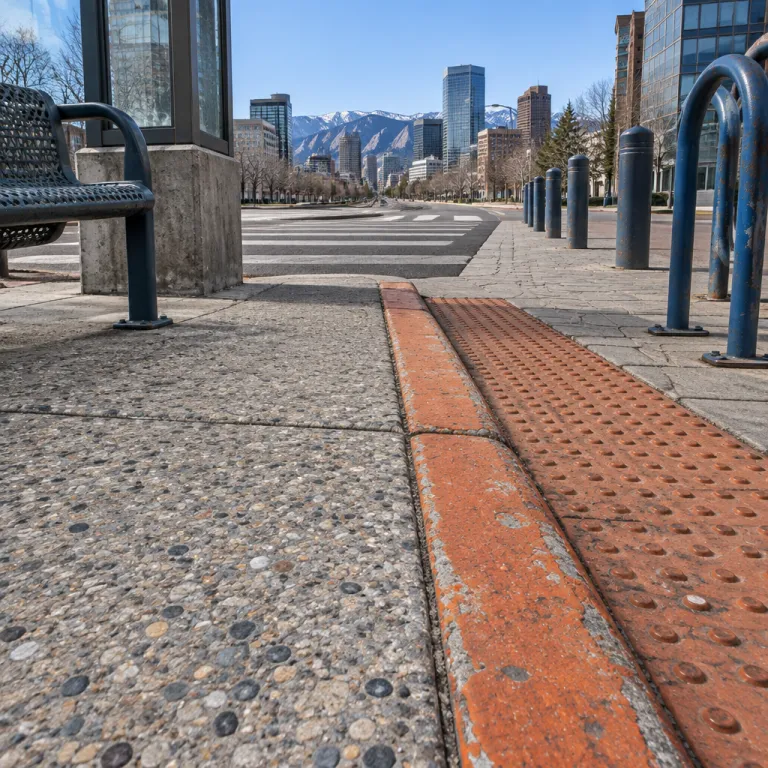
Understanding Denver’s safety landscape before you book your hotel
Denver in Colorado feels welcoming, energetic, and generally safe for visitors. The city has a growing number of travelers who use it as a base for both urban experiences and Rocky Mountain excursions. When you plan your travel, you should check recent local updates about the area where you will be staying.
Safety varies by neighborhood, so understanding downtown Denver, adjacent districts, and the wider city helps you choose the best hotel for your needs. Focus your research on practical details such as lighting, foot traffic, and proximity to public transportation rather than only on headline crime stories. This kind of preparation will help keep your stay calm, efficient, and focused on enjoying the mile high city rather than worrying about logistics.
Many visitors arrive through Denver International Airport, then head straight to downtown by train or rideshare. The rail line from Denver International to Union Station is usually reliable, but you should still keep valuables close and remain aware in any busy station. Whether you land from sea level or another high altitude destination, factor in both city safety and altitude sickness risks when choosing where and how long you will stay.
Choosing safe areas and hotels in downtown Denver
For most tourists, downtown Denver is the most convenient base, especially if you want easy access to top attractions and business venues. The area around Union Station, LoDo, and the central business district offers a dense cluster of hotel options, restaurants, and cultural venues. When comparing properties, check how close each hotel is to well lit streets, main transit stops, and staffed lobbies that operate around the clock.
If you are unsure which part of the city suits you, use a detailed guide to the best neighborhoods to stay in Denver to align safety, style, and budget. These neighborhood overviews complement broader safety advice for visitors by explaining how each area feels at different times of day and night. They also help keep your expectations realistic about noise levels, event traffic, and how quickly you can reach Denver’s top attractions from your chosen hotel.
When staying in the central city, look for hotels near Union Station or the 16th Street Mall shuttle for easier movement without a car. Properties close to a major park, such as Civic Center Park or Commons Park, can feel pleasant by day but may be quieter at night, so ask the front desk for local advice. In any downtown area of Colorado, including Denver, balance convenience with your own comfort level about walking after dark and consider short rides instead of long late night walks.
Navigating downtown Denver safely on foot and by transit
Once you have checked in, most visitors explore downtown Denver on foot because many sights cluster within a compact grid. The free 16th Street Mall shuttle, light rail, and buses provide public transportation options that reduce the need to drive or park. These systems support safer city travel by limiting late night searches for parking in unfamiliar streets.
Use official transit apps or station maps to check schedules, platforms, and last train times, especially when returning from events. For example, some light rail lines stop running around midnight on weekdays, so knowing the final departure helps you avoid long waits. At Union Station and other central stops, stay aware of your surroundings, keep your bag zipped, and avoid displaying high value items unnecessarily. If a platform or bus stop feels isolated, step back into a busier area or a hotel lobby until the next service arrives, which can help keep minor risks low.
For some travelers, a short rideshare between downtown Denver and their hotel feels safer than walking several blocks late at night. When you request a car, verify the license plate and driver details before you get in, and always check that the route on your phone matches the driver’s path. If you are evaluating whether the mile high city suits you long term, a short Denver hotel stay to weigh the pros and cons of living here can reveal how comfortable you feel with local transit and walking patterns.
Managing high altitude, hydration, and health during your stay
Denver sits roughly one mile above sea level, which means the high altitude affects many visitors, especially on their first day. The combination of thinner air, strong sun, and dry climate can lead to altitude sickness symptoms such as headaches, fatigue, and mild nausea. These health focused safety tips for tourists matter as much as traditional city safety advice.
Plan your first 24 hours in Colorado as a softer landing, particularly if you fly directly from a low altitude region. Drink more water than you usually would, limit alcohol, and check how you feel before committing to intense exercise or long walks. Many hotels in the state now highlight altitude sickness awareness in their travel tips, because guests who pace themselves tend to enjoy mile high experiences far more.
Dress in layers to adapt to rapid weather changes, especially if you move between air conditioned interiors and sunny streets. This dress layers strategy becomes even more important if you take day trips from Denver to the nearby Rocky Mountain foothills or the Colorado Rockies. When you return from higher elevations to your hotel in the city, continue to drink water, rest, and monitor any lingering sickness symptoms before planning another high altitude excursion.
Day trips, mountain excursions, and using Denver as a safe base
Many travelers use Denver as a launch point for exploring the Rocky Mountain region and the Colorado Rockies. If you plan to ski, hike, or drive mountain passes, treat the city as your acclimatization base and build in rest days. This approach aligns with common Denver safety guidance for tourists because it reduces the shock of jumping straight from sea level to very high altitude terrain.
Before leaving your hotel, check road conditions, weather alerts, and any state advisories, especially during winter or shoulder seasons. When you rent a car, inspect the vehicle carefully, confirm insurance coverage, and ask staff for travel tips about mountain driving, including brake use on long descents. If you prefer not to drive, organized tours from downtown Denver can take you to top attractions in the foothills while you focus on the scenery.
Travelers who want to use the city as a winter base for skiing can review this detailed guide on where to ski near Denver and how to use the city as your winter base. These resources integrate practical advice for visitors, from timing your departures to avoiding peak traffic near major resorts. Whether you are staying in a central hotel or near a park on the city edge, always tell someone your plans and expected return time before heading into the mountains.
Practical hotel safety habits that work in the mile high city
Inside your hotel, simple routines can help keep your stay secure and stress free. Use the room safe for passports, spare cards, and high value electronics whenever you leave, even for a short walk around downtown. When you sleep, engage all locks, use the security latch, and keep your key card in the same place each night.
At check in, ask the front desk for specific local safety tips that apply to the immediate area. Staff usually know which blocks feel comfortable at different times, which park is lively and which one is quieter, and how late public transportation runs. One Denver concierge, for example, might suggest using the 16th Street Mall shuttle after evening events instead of walking several long blocks. Their local insight about the city often proves more useful than generic travel tips you might read before your trip.
If you order rideshares or food delivery, meet drivers in the lobby rather than sharing your room number. When you return late, choose well lit routes, walk with purpose, and avoid wearing headphones that block street sounds in the high city environment. These habits are relevant whether you stay near Union Station, in a business district hotel, or in another Colorado city later in your journey.
Timing your trip, event seasons, and staying alert in busy crowds
The best time to visit Denver depends on whether you prioritize festivals, sports, or quieter sightseeing. During major events, such as Colorado Rockies home games or large conventions, downtown crowds swell and hotel prices rise. In these periods, safety advice for tourists focuses on crowd awareness, early bookings, and flexible timing.
When you attend games, concerts, or top attractions, arrive early to navigate security calmly and choose your routes. Keep your drink in sight at all times, especially in busy bars near the stadium or Union Station, and never accept open containers from strangers. If a venue or street party feels too intense, step back to your hotel or a calmer area of the city to reset.
Travelers who return to Colorado multiple times often refine their own checklist of what to pack, when to arrive, and how to move around the mile high city. They know to dress layers for shifting temperatures, to check transit schedules after evening events, and to allow extra time at Denver International Airport during peak seasons. By combining these lived lessons with structured Denver safety tips for tourists, you can enjoy mile high experiences with confidence on every stay.
Key figures about safety, altitude, and tourism in Denver
- Denver sits at approximately 1 609 metres above sea level, which is significantly higher than many major U.S. cities and increases the likelihood of mild altitude sickness for newly arrived visitors (data from the City and County of Denver, 2023).
- Denver International Airport handled over 69 million passengers in 2019, placing it among the busiest airports in the United States and underscoring the importance of clear travel tips and wayfinding for tourists (figures from Denver International Airport annual traffic reports).
- The Denver Police Department reports that overall crime in the city has shown fluctuations by neighborhood, which is why visitors are advised to check recent local statistics for the specific area where they plan on staying (information from Denver Police Department public data dashboards, updated regularly).
- Tourism studies from Visit Denver indicate that a growing number of visitors use the city as a base for Rocky Mountain day trips, reinforcing the need for guidance on high altitude health, hydration, and safe driving practices in mountainous terrain (Visit Denver research summaries, 2022–2023).
- Public transportation usage in the Denver metropolitan area, including light rail and bus services, supports millions of rides annually, offering tourists alternatives to driving and helping reduce congestion around downtown and major event venues (Regional Transportation District statistics, 2022).
FAQ about Denver safety tips for tourists
Is downtown Denver safe for tourists staying in hotels?
Downtown Denver is generally safe for tourists, especially in busy areas around Union Station, the 16th Street Mall, and major hotels. As in any large city, you should stay aware of your surroundings, avoid poorly lit side streets late at night, and keep valuables out of sight. Choosing a hotel near active streets, transit stops, and staffed lobbies further enhances safety.
How can I reduce the risk of altitude sickness in Denver?
To reduce the risk of altitude sickness, hydrate well before and after arrival, limit alcohol and heavy exercise on your first day, and get plenty of rest. If possible, plan a lighter schedule when you first reach the mile high city, especially if you are coming from sea level. Seek medical advice if you have heart or lung conditions, or if symptoms such as severe headache or shortness of breath persist.
Is public transportation in Denver safe for visitors?
Public transportation in Denver, including the train from Denver International Airport to Union Station and central bus and light rail lines, is widely used by commuters and visitors. It is generally safe during operating hours, but you should stay alert, keep bags closed, and avoid isolated stops late at night. Using official apps to check schedules and routes helps you minimize waiting times in quieter areas.
Which Denver neighborhoods are best for first time visitors?
For first time visitors, downtown Denver, LoDo near Union Station, and parts of Capitol Hill and Cherry Creek are popular because they combine hotels, dining, and attractions. These areas offer good access to public transportation and are usually busy, which many travelers find reassuring. Always review recent local information and hotel reviews to confirm that the specific block and property match your comfort level.
What should I pack for a safe and comfortable stay in Denver?
Packing for Denver should include layers of clothing for changing temperatures, comfortable walking shoes, sunscreen, a refillable water bottle, and any personal medications. A small daypack that closes securely helps you carry essentials while keeping valuables protected in crowds. If you plan mountain day trips, add warmer layers, gloves, and traction appropriate footwear, even when the city itself feels mild.